Rabat is Morocco’s capital, but you’ll find it organized, coastal, and quietly charming rather than overwhelming. You can see key landmarks, stroll by the ocean, enjoy great food, and still feel refreshed—which is what makes this Rabat travel guide so useful. The city rewards a relaxed pace over a rushed one. Its unique status, as a UNESCO World Heritage site titled “Rabat, Modern Capital and Historic City,” only adds to its layered appeal.
Before you plan where to stay, it helps to see how Rabat compares with other top cities. If you want a simple guide, check our article “The 4 Best Cities to Stay in Morocco: Casablanca, Rabat, Marrakesh, Tangier.” It explains what each city is best for, so you can choose the one that fits your trip and travel style.
Rabat Travel Guide Quick Facts (So You Don’t Waste Time)
Rabat is a good city for first-time Morocco visitors because it’s calmer than Marrakech and more visitor-friendly than many large cities. In this Rabat travel guide, you’ll notice a theme: Rabat is best when you move on foot, use the tram when needed, and focus on a few strong neighborhoods instead of trying to do everything at once. The city combines historic sites, modern boulevards, ocean views, and local daily life in a clean, practical way.
Why Rabat Is Worth Visiting
Rabat gives you real Morocco with less friction. You can explore historical monuments, walk through a medina that feels local, enjoy a strong café culture, and relax by the Atlantic—without the constant pressure to buy something. If you like cities that run smoothly, this Rabat travel guide will match your style. Rabat is also a strong base if you want day trips, because transport links are straightforward.
Best Areas to Explore in Rabat
In this Rabat travel guide, think in zones, not in a long checklist. That makes your day simpler and your routes shorter.
Hassan is the monument zone (Hassan Tower and the mausoleum). The Kasbah of the Udayas is the “views + old streets” zone. The medina is for simple shopping and local food. Agdal is modern Rabat (cafés, restaurants, wide streets). The Bou Regreg waterfront connects Rabat and Salé and is good for walking in the late afternoon.
Getting Around Rabat (Fast, Cheap, and Simple)
Getting around Rabat is refreshingly easy. My best advice for your Rabat travel guide is this: walk the core neighborhoods, hop in a petit taxi for quick trips, and let the tram handle longer hops. It’s a top choice because it smoothly links Rabat and Salé, bypassing traffic. So, take the tram between districts, then wander on foot—that’s how you’ll truly feel the city’s rhythm.
Hassan Tower and the Mohammed V Mausoleum
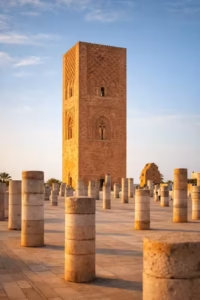
Hassan Tower is the symbol of Rabat and one of the strongest stops in any Rabat travel guide. It’s the minaret of an unfinished mosque project started under the Almohads in the late 12th century, and construction stopped after the death of the ruler in 1199. The site includes the tower, the remains of the mosque, and the mausoleum complex nearby.
Go early if you want clean photos and a calm atmosphere. The area is open and spacious, so it’s also a good first stop to “warm up” before you enter tighter streets like the medina.
Kasbah of the Udayas (Old Streets + Best View in the City)
If you want one place that feels classic Rabat, choose the Kasbah of the Udayas. This is a core part of every Rabat travel guide because it delivers atmosphere, history, and the ocean in one short visit. Walk through the gate, follow the quiet streets, and head toward the viewpoint where the Bou Regreg meets the Atlantic.
This spot is perfect at sunset. It’s also a smart place to slow down because Rabat is not a “rush city.” You get better value when you take your time.
Rabat Medina (Local Shopping Without the Chaos)
Rabat’s medina is smaller and more relaxed than the famous medinas in Fez or Marrakech. That’s a benefit, not a weakness. In this Rabat travel guide, the medina is not “a full-day mission.” It’s a focused stop to buy essentials, pick up souvenirs, and eat simple local food.
What to buy: leather slippers, small crafts, spices, and daily clothing. How to shop: ask the price once, negotiate politely if you want, and move on if the price doesn’t fit. Rabat usually feels calmer, so you can shop without stress.
Chellah (Rabat’s Quiet Historic Escape)
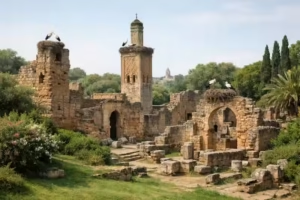
Chellah is one of the best slow-travel stops in Rabat. It’s a fortified site with layered history, combining Roman-era remains with later medieval use as a necropolis. In this Rabat travel guide, Chellah matters because it changes the rhythm of your day: it gives you space, greenery, and a calm atmosphere far from the city center. You move at an easy pace through ruins, gardens, and old walls, which makes it perfect when you want a real break from traffic and noise.
Bou Regreg Waterfront (Easy Walk, Strong Views)
The Bou Regreg area is one of the easiest wins in this Rabat travel guide. It’s perfect for an afternoon walk, especially when the light gets soft. You can follow the waterfront, take photos, and stop nearby for a drink or a quick snack without overplanning. This Rabat travel guide also recommends Bou Regreg for families and anyone who prefers open space—it’s clean, calm, and easy, with no pressure to rush.
Museums and Culture Stops (Choose One, Not All)
Rabat has strong museums and cultural sites, but you don’t need to pack your schedule. A smart Rabat travel guide approach is to choose one museum that matches your interest—history, art, or photography—then spend the rest of the day outside, where Rabat feels most alive. If your trip is short, this Rabat travel guide recommends prioritizing landmarks and walking routes first. Keep museums for extra time or bad weather, so they support your plan instead of taking over your day.
Beaches and Ocean Walks in Rabat
Rabat has a real Atlantic coastline, and that’s part of its identity. In this Rabat travel guide, beaches are not only for swimming. They’re for walking, breathing, and resetting your day.
If the sea is rough or the weather is windy, don’t force it. Just do a coastal walk, grab a coffee, and enjoy the view. Rabat’s coastal energy is strong even when you stay dry.
Where to Eat in Rabat (What to Try + Where It Makes Sense)
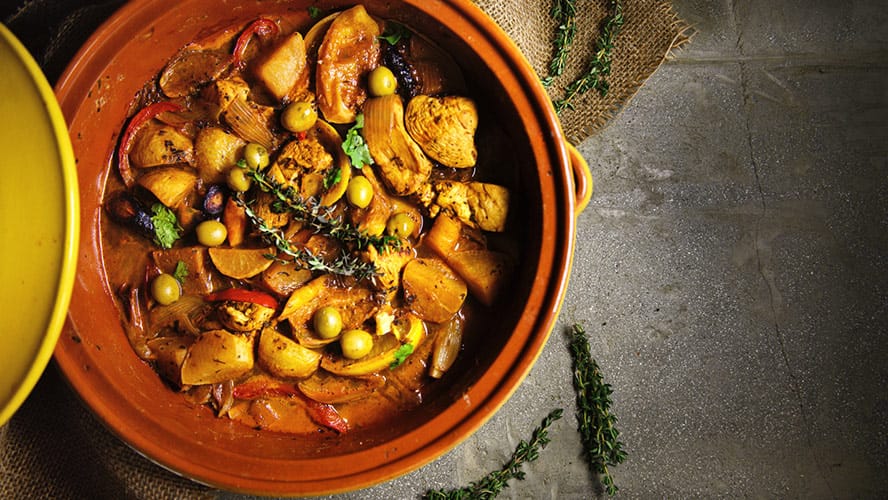
Enjoying Rabat’s food is wonderfully straightforward. This Rabat travel guide suggests keeping it simple: seek out local spots with good value rather than tourist prices. Savor classics like tagine, grilled meats, fresh fish, and Moroccan salads. For a quick bite, follow the locals to busy streets for msemen, harcha, and sandwich shops. Neighborhood-wise, try Agdal for modern cafés, the medina for quick meals, and the waterfront for a leisurely lunch or dinner with a view.

A Practical Rabat Travel Guide Itinerary (1 Day)
If you only have one day here, you can still see Rabat beautifully. I’d suggest starting your morning at the Hassan Tower and Mausoleum, then wandering over to the Kasbah of the Udayas to lose yourself in its blue-and-white streets and ocean views. By lunchtime, dive into the medina for a bite and a little browsing. Finally, wrap up your day with a peaceful walk along the Bou Regreg as the sun sets.
It’s a day that moves from grand landmarks to hidden lanes, ending with that perfect golden light—a relaxed but fulfilling way to experience the city, and exactly the kind of smooth visit this Rabat travel guide is meant to offer.
A Strong Rabat Travel Guide Itinerary (2 Days)
Two days is where this Rabat travel guide really shines, because you can slow down and enjoy the city without rushing.
Day 1: Hassan Tower and the Mausoleum, then the Kasbah of the Udayas, then the medina for lunch and browsing, and finish with a sunset walk.
Day 2: start with Chellah in the morning while it’s quiet and low-crowd, then spend midday in Agdal for cafés and shopping, and end late afternoon at Bou Regreg. This Rabat travel guide plan gives you variety without pressure, which is exactly how Rabat works best.
Best Time to Visit Rabat
For most travelers, spring and autumn are the most comfortable times to follow a Rabat travel guide on foot, because the weather supports long walks and easy sightseeing. Rabat’s coastal climate also keeps temperatures milder than inland cities, so summer can still work, but you’ll feel more crowd pressure during peak travel weeks. The core Rabat travel guide advice is simple: do your outdoor walking in the morning or late afternoon, then use midday for food, cafés, or a museum break.
Safety and Local Etiquette (Simple and Real)
Rabat is generally considered one of the calmer Moroccan cities for visitors. Still, use standard city awareness: keep your phone secure in crowded areas, avoid empty streets late at night, and use official taxis when possible.
Dress code is flexible in Rabat, but modest clothing helps you blend in, especially around religious sites. If you take photos of people, ask first. This Rabat travel guide approach keeps you respectful and avoids uncomfortable situations.
Money Tips (So You Don’t Overpay)
In taxis, ask for the meter, or agree on the price before you start if needed. In the medina, don’t accept the first price right away—stay calm, compare, and walk away if it doesn’t feel fair. The key in this Rabat travel guide is simple confidence: Rabat usually doesn’t require aggressive negotiation, and a polite, firm approach gets the best results.
Where to Stay in Rabat (Best Choices by Style)
Picking where to stay in Rabat really comes down to how you like to explore. If you want to step right out and see the main sights, this Rabat travel guide suggests staying near Hassan Tower, the medina edge, or the Kasbah. Love modern vibes and café-hopping? Agdal’s your spot. If you’re after evening walks with space to breathe, choose somewhere close to the Bou Regreg. My simple tip? Let the strolls you want to take guide your choice—not just the price.
Common Questions (FAQ for Rank Math + Readers)
Is Rabat better than Casablanca for tourists?
For a shorter visit, Rabat often feels easier. It’s calmer, wonderfully walkable, and lets you pack in the sights without the rush. Casablanca buzzes with big-city business energy. But if you’re after smooth, rewarding exploration, that’s exactly what this Rabat travel guide is here for.
How many days do you need in Rabat?
One day covers the essentials. Two days gives you a better rhythm and lets you add Chellah and modern neighborhoods without rushing. That’s why this Rabat travel guide includes both itineraries.
Can you visit Rabat and Salé in the same day?
That’s exactly right. The tram and the walkable Bou Regreg area make hopping between Rabat and Salé wonderfully simple. A quick look at the tram map is the smart way to plan your stops, perfectly fitting this Rabat travel guide’s aim for smooth, connected exploration.
Final Tips to Enjoy Rabat
Rabat feels best when you move with intention. Pick a clear route, walk more than you drive, and use the ocean and waterfront as your reset points when you need a break. This Rabat travel guide isn’t about doing everything. It’s about choosing the right stops and doing them in the right order, so the city stays calm, simple, and genuinely worth your time.