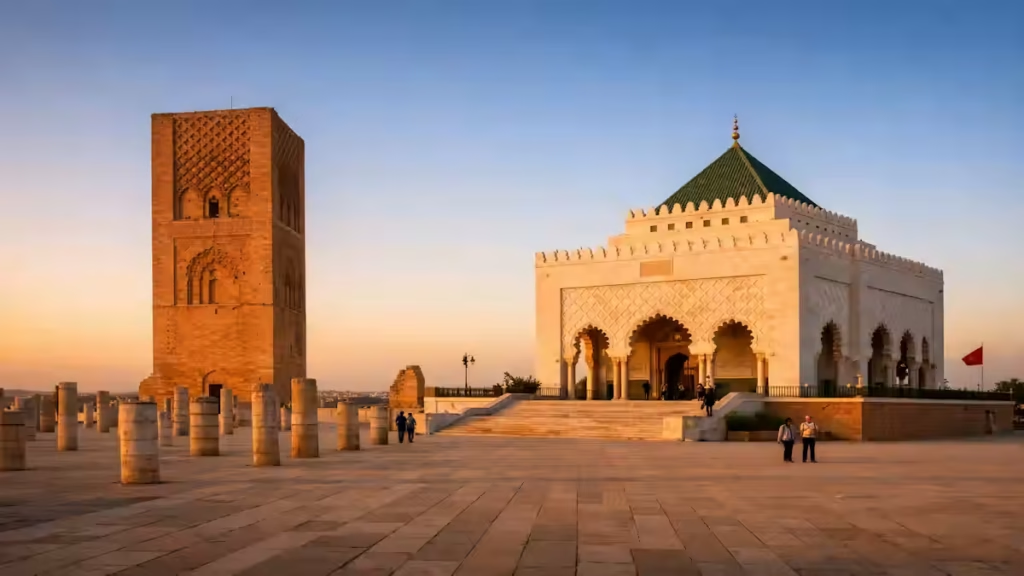
If you want a Morocco city that stays calm, clean, and easy to navigate, choose Rabat. The key decision is the best time to visit Rabat, because weather and local events directly shape how the city feels day to day.
One of the reasons the best time to visit Rabat feels so pleasant is its Atlantic coast location. The city enjoys milder weather than hotter inland spots, letting you explore historic sites, breathe in the fresh ocean air, and stroll through gardens and along the corniche at a relaxed, comfortable pace.
In this guide, you will learn the best time to visit Rabat depending on weather, crowds, prices, and events, plus simple travel tips that help you plan your days the smart way.
Why timing matters in Rabat
Deciding the best time to visit Rabat depends on the experience you seek. It’s a city for all seasons: summer brings a lively buzz and perfect coastal evenings, while the cooler months offer a serene chance to discover historic sites bathed in gentle light, free from the crowds.
Rain does happen sometimes—mostly in winter—and it can mess with long walks in the medina or day trips outside the city. Some weeks also get crowded because of local holidays and school breaks, and prices can jump, especially for hotels. So the best time to visit Rabat is not just about the temperature. It’s really about your travel style: do you want quiet sightseeing, a lively festival mood, beach time, or the best deals?
Quick answer: the best time to visit Rabat
For the best mix of comfort and charm, aim for spring or autumn. That’s Rabat’s sweet spot—think crisp air, perfect walking weather, and golden light without the summer crowds or heat.
If you want the most relaxed experience, aim for April, May, September, or October. If you want fewer crowds and lower prices, winter can also be a good option, as long as you are okay with some rainy days.
Best time to visit Rabat by season
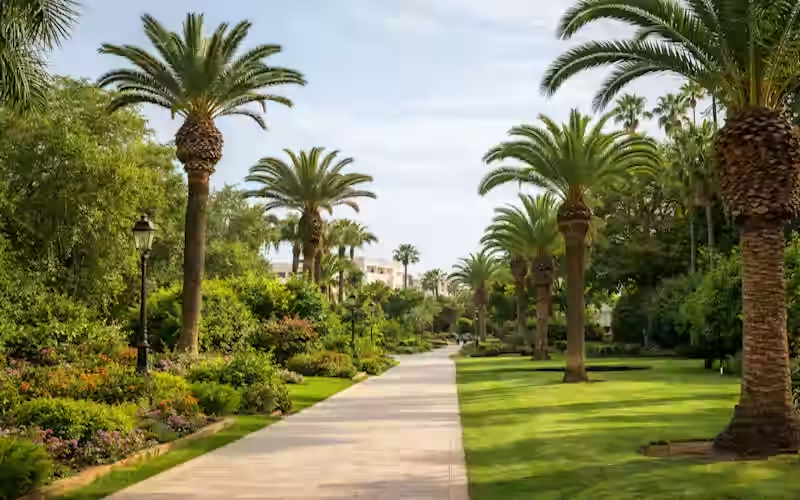
Spring (March, April, May): best balance for most people
Many would argue that the best time to visit Rabat is spring. The city truly comes alive—gardens bloom, the palm-lined streets feel fresher, and the mild air makes it easy to spend the whole day outside. It’s perfect for long strolls past major sights like Hassan Tower and the Mausoleum, through the historic medina, or along the walls of the Kasbah of the Udayas, all with a gentle, cooling ocean breeze.
Spring is a photographer’s dream in Rabat. The light turns soft and golden, the skies clear up, and you hit that perfect travel sweet spot—fewer crowds, milder prices, and very comfortable temperatures.
Simple spring tip: pack a light jacket for evenings, because the Atlantic breeze can feel cool even when days are warm.
Summer (June, July, August): best for long evenings and coastal vibes
If your priority is atmosphere, summer can be a great choice. You’ll trade cooler weather for a buzzing street life. While days are warm, the ocean ensures comfortable nights, offering a classic, energetic Moroccan summer experience without the extreme heat.
For those drawn to the rhythm of late-night waterfront strolls and lively café culture, summer has a unique charm. Be prepared, though, for the trade-offs: increased tourism, more congested travel, and a noticeable jump in prices during the busiest weeks. The peak summer months of July and August can be intense for anyone who prefers to avoid both the heat and the crowds.
Simple summer tip: plan your sightseeing early in the morning, take a slow break at midday, and go out again after 5 pm.
Autumn (September, October, November): calm weather and easier sightseeing
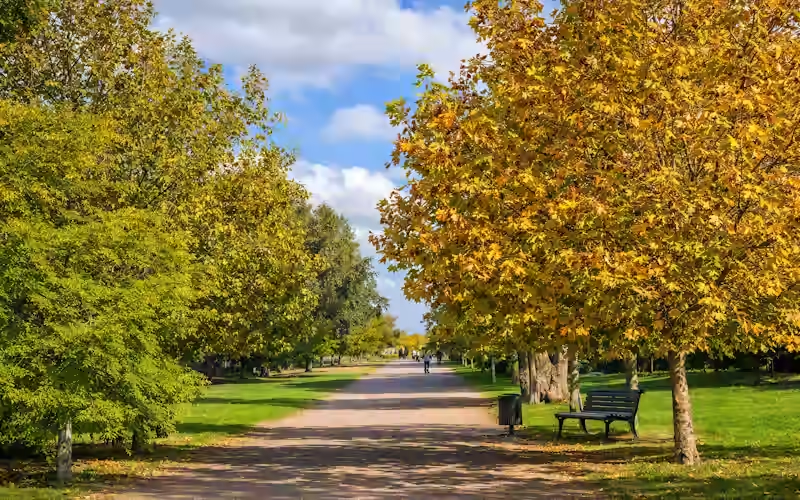
For a quieter, more relaxed pace, the best time to visit Rabat is often autumn. The lingering warmth of September and October is ideal for being outdoors, without summer’s intensity. With the peak crowds gone, you’re left with a calmer, more navigable city that’s easy to truly savor.
It’s the ideal time for day trips, too. The milder weather makes even long drives and extended outdoor visits a pleasure. Simply put, if you want to walk more and tire less, autumn is your best bet.
Simple autumn tip: bring layers. Mornings can be cool, afternoons can be warm, and nights can be breezy.
Winter (December, January, February): best for budget and quiet trips
Winter is the quiet season in Rabat. If you want a calm, local feel and lower hotel prices, winter might be the best time to visit Rabat for you. Days can be mild, but rain and cloudy skies are more common. Some travelers still love winter because the city is peaceful, museums are easy to visit, and you can enjoy Moroccan food without feeling overheated.
If you plan well, you can still do the major sights and enjoy café time. Just be ready to change plans if it rains.
Simple winter tip: pack a waterproof jacket and comfortable shoes that handle wet streets.
Best time to visit Rabat for weather and comfort
For most visitors, choosing when to go is all about finding weather that makes wandering a joy. And in Rabat, walking is the main event—getting lost in the medina, discovering seaside spots, relaxing in gardens, and strolling the wide avenues. To plan your perfect trip, here’s what you need to know about the seasons:
- For the most reliably pleasant weather to explore on foot, target the spring or autumn months. That’s March to May and September to November.
- If you’re after warm nights and a buzz in the air, June or September are your months.
- For cool, crisp air and the quietest streets, December to February is ideal. Just pack a raincoat—you’ll likely need it.
Also remember: coastal wind is a real factor. Even on warm days, the breeze can feel cool near the ocean, especially at viewpoints like the Kasbah area.
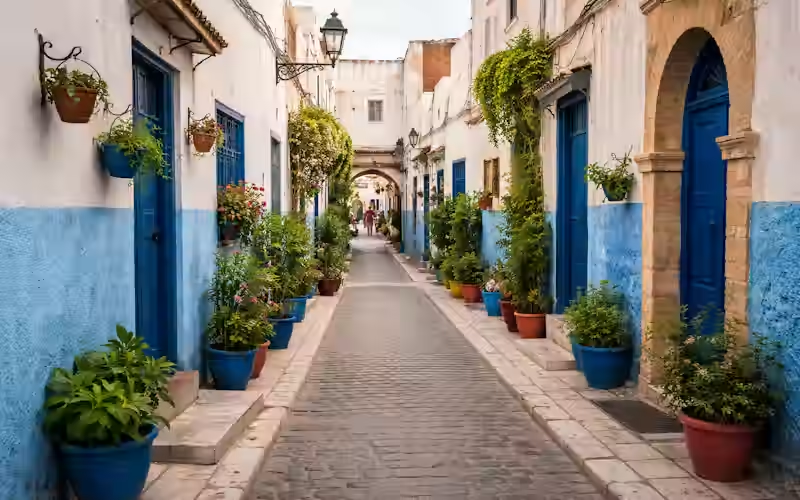
Rabat weather by month (simple planning guide)
Here is a practical way to plan the best time to visit Rabat, month by month, without overthinking it.
January–February: quiet, cooler, higher chance of rain. Great for budget travelers and museum lovers.
March: weather starts improving, more sunshine, great for walking.
April: one of the best months—comfortable, green, and easy sightseeing.
May: You’ll find gentle, welcoming warmth—ideal for a first visit, as it lets you see the city at its most comfortable.
June: It’s the season of warm, lingering daylight and a calmer atmosphere, offering a great balance right before the summer rush.
July–August: It’s warm and full of life, perfect if you love buzzing evenings. Just keep in mind, it’s also peak season—so expect more company and higher prices.
September: excellent month—still warm, usually less crowded than August.
October: You’ll be met with cooler evenings, perfect for comfortable sightseeing and far fewer crowds to share the sights with.
November: It’s the season for crisp evening air and crowd-free exploration. The days remain perfectly pleasant for visiting all the landmarks.
December: calm and local, some rainy days, good prices.
So, when should you go? For the easiest, most enjoyable trip, target April, May, September, or October.
Best time to visit Rabat for events and culture
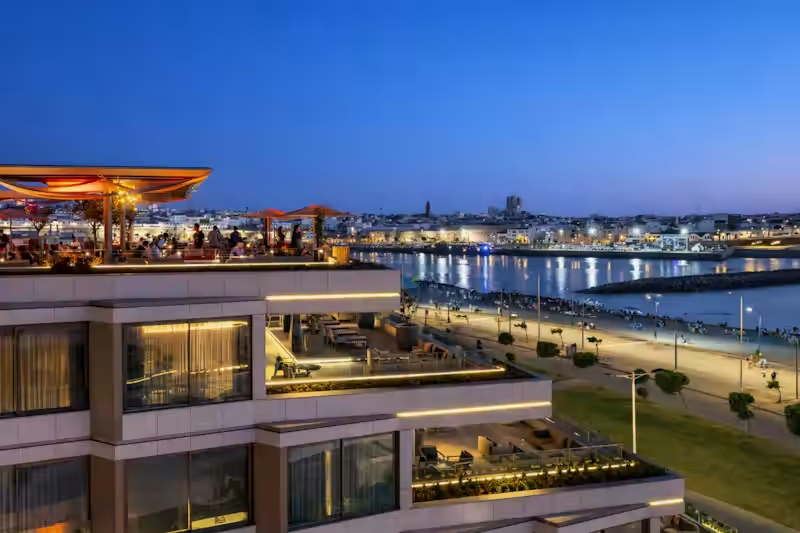
Festivals can define your visit, layering Rabat with extra color and sound. If that calls to you, plan for it—but know you’ll be sharing the city. If you’re after serene lanes and spontaneous discoveries, it’s best to avoid the peak of the event season and major public holidays.
Since event dates shift each year, here’s a simple tip: once you’ve chosen your month, just do a quick search for “Rabat events [Month] [Year]” and double-check the official city or venue calendars.
Best time to visit Rabat for fewer crowds
If you prefer quieter streets, Rabat can still offer a peaceful experience—it’s generally calmer than hotspots like Marrakech. But to really avoid the bustle, plan around these quieter windows:
- January, February, or early March (quietest time)
- November (good weather with fewer visitors)
- Late September (after summer travel slows down)
For a quieter visit, choose November–February or the edges of spring/autumn. And always visit the main sights on a weekday—the difference is night and day.
Best time to visit Rabat for budget travel
For the best prices, aim for winter or late autumn—you’ll typically find better deals and more availability. If you visit in summer, book your hotel well in advance, especially in popular areas.
Budget tip: A little flexibility can save you a lot: try November or February. You’ll often land milder weather and much kinder prices.
Best time to visit Rabat for a short trip (2–3 days)
On a short trip, comfortable weather makes all the difference. For a 2–3 day visit, choose April–May or September–October. You’ll cover the best of the city efficiently and enjoyably with a route such as:
Day 1: Hassan Tower area + Mausoleum area + sunset by the river or waterfront
Day 2: Kasbah of the Udayas + medina + local food spots
Day 3 (optional): Chellah + gardens + relaxed café time
In hotter months, keep the same plan, but start earlier and rest in the middle of the day.

What to pack based on the season
Packing right improves your trip more than you think. Rabat weather is mild, but the ocean breeze changes everything.
Spring: a light jacket, comfortable shoes you can walk in all day, sunglasses, and a small travel umbrella. This simple combo covers you for everything from sunny afternoons to cool evenings.
Summer: breathable clothes, hat, sunscreen, light layer for windy evenings
Autumn: layers, closed shoes, light rain protection for late season
Winter: waterproof jacket, warm layer, shoes that handle wet streets
One important tip: bring shoes that you can walk in for hours. The best time to visit Rabat becomes even better when your feet are comfortable.
Travel tips that make Rabat easier
Rabat is simple to navigate, but a little local insight goes a long way in avoiding hassle and making the most of your time.
Where you stay really shapes your trip. Love history and walking? Aim for the medina edge, Hassan area, or Kasbah zone. Prefer a modern, café-filled neighborhood with wide streets? Check out Agdal. And if being near the water is a priority, look for places with quick access to the Bou Regreg or seaside paths.
Here’s how to pace your day when it’s warm: tackle sightseeing early, relax midday, and embrace the evening. Trust me, Rabat’s evenings are where the city shines.
Keep some cash on hand for small purchases—many local shops and market vendors, especially in the medina, prefer or only accept cash.
Be calm with prices. In markets, it is normal to negotiate politely. If a deal feels bad, smile and walk away.
Plan one “slow moment” daily. Rabat is a city that rewards slow travel. Add one garden visit, one café stop, or one long waterfront walk to reset your energy.
Best time to visit Rabat with family
If your crew prefers to avoid the heat, you’ll love Rabat in spring or fall. Outdoor time feels easy and enjoyable. During the cooler winter months, you can still have a great trip by blending shorter walks with plenty of cozy indoor stops.
Family tip: pick a place to stay that keeps taxi rides short. Being within walking distance or a quick ride from the main sights makes each day much smoother—especially with tired kids.
Best time to visit Rabat for photography
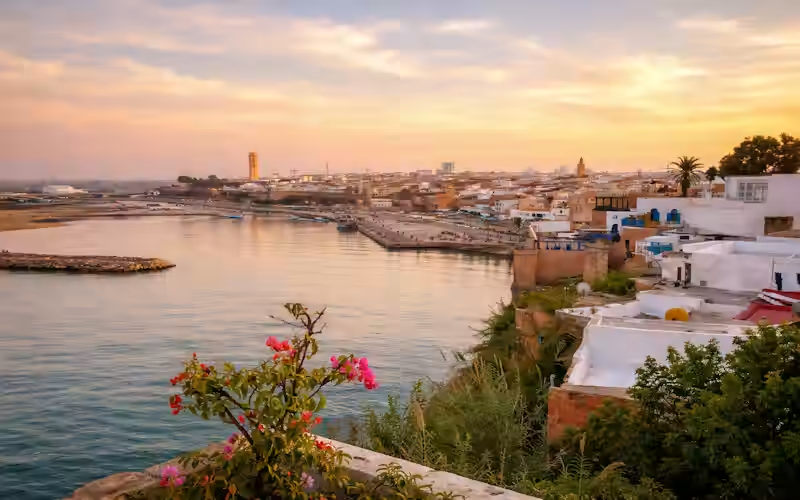
For photographers, the dream combo is soft light, clear skies, and comfortable weather. That’s exactly what you’ll find from April to May and September to October. Capture golden hour glowing over the Kasbah, or the serene morning light at Hassan Tower. Winter can also deliver stunning, moody skies—just keep an umbrella handy for those occasional showers.
Photography tip: For a truly magical experience, catch a sunrise in Rabat. The early light is soft and golden, and places like the Kasbah and the riverfront feel hushed and almost empty—perfect for capturing the city in its most peaceful, beautiful state.
Common mistakes when choosing the best time to visit Rabat
It’s easy to choose dates based on temperature alone, but don’t overlook Rabat’s coastal breeze, crowd levels, and local event calendars. Another common misstep? Trying to squeeze in too many day trips on a short visit. Rabat rewards a slower pace—keep your schedule simple so you can soak in the city. And a packing tip: even in summer, bring a light layer. Nights near the ocean can get surprisingly cool.
If you want the best time to visit Rabat and the best experience, focus on comfort and rhythm, not only weather numbers.
FAQs (great for Rank Math FAQ blocks)
1) What is the best time to visit Rabat for good weather?
The best time to visit Rabat for reliably pleasant weather is during the spring and autumn months—March to May and September to October. This is when you’ll enjoy the most comfortable temperatures for walking and sightseeing.
2) Is Rabat too hot in summer?
Rabat can be warm in summer, but it is often milder than inland cities because of the Atlantic breeze. Evenings usually feel pleasant.
3) What is the cheapest time to visit Rabat?
Winter months are often cheaper, especially January and February, because there are fewer tourists and more hotel availability.
4) How many days are enough for Rabat?
Two to three days is enough to cover the main sights at a relaxed pace, especially if you plan a walkable route.
5) Does it rain a lot in Rabat?
A quick weather note: rain is more frequent in winter. If you visit in the shoulder seasons, you’ll likely see mostly clear days—just have a light layer handy for the odd drizzly moment.
6) What is the best time to visit Rabat for fewer crowds?
For fewer crowds, choose January, February, November, or late September. Weekdays are also quieter than weekends.
7) Can I visit Rabat in December?
Yes, December can be wonderfully calm and easy on the budget. Just pack a reliable waterproof jacket and plan a blend of cozy indoor visits with crisp outdoor strolls.
8) Is spring better than autumn in Rabat?
Both are excellent. Spring feels greener and fresher, while autumn often feels calmer with comfortable temperatures and fewer crowds.
Final recommendation
Wondering when to go? The best time to visit Rabat for ideal conditions is April, May, September, or October. For a quieter, more affordable trip, the best time to visit Rabat shifts to February or November. And if you’re chasing vibrant summer evenings, June through August can be great—just plan your days around the heat.