Finding the Best Time to Visit Morocco: Your Guide to Perfect Weather
Planning a trip to Morocco? Figuring out the best time to visit Morocco is the first step to an unforgettable adventure. This guide will help you navigate the seasons, regional climates, and local tips to find your perfect window for great weather, smaller crowds, and better value.
So, you’re dreaming of Morocco? Excellent choice. Between the bustling souks, the vast silence of the Sahara, and the aroma of mint tea and spices, it’s a place that captures your heart. But here’s the key question everyone asks: when is the best time to visit Morocco?
It’s a trickier question than it seems. Morocco isn’t a one-climate-fits-all destination. The weather in breezy Essaouira is a world away from the heat of Marrakech. Picking your dates isn’t just about avoiding rain; it’s about crafting the exact experience you want.
| Season | Months | Weather Vibe | Crowds & Cost |
|---|---|---|---|
| High Season | Oct-Apr (Peak: Oct-Nov, Mar-Apr) | Perfect, pleasant temperatures | Most crowded, most expensive |
| Shoulder Seasons | May, September | Warm to hot, very good | Moderate crowds, good value |
| Low Season | Jun-Aug | Extreme heat inland, pleasant coast | Fewest crowds inland, low prices |
Understanding Morocco’s Diverse Climate
First things first, forget the idea of a single “Moroccan weather forecast.” The country’s real magic lies in its incredible diversity.
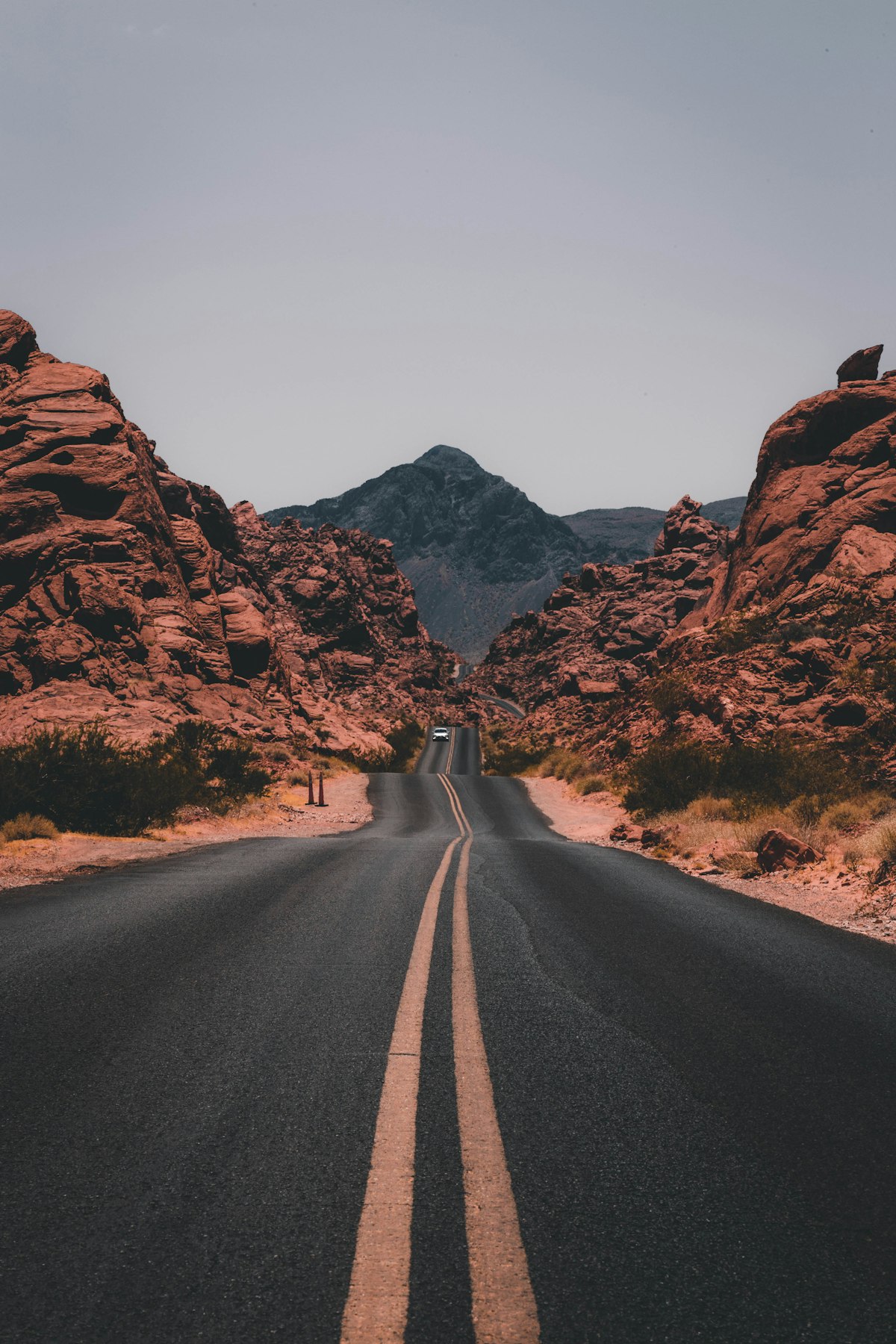
Imagine a country with both Atlantic and Mediterranean coastlines, rugged mountain ranges, and the edge of the world’s largest hot desert. That’s Morocco. A two-hour drive can feel like you’ve changed continents.
Four Distinct Seasons Explained
Morocco follows a familiar seasonal pattern, but with its own North African twist.
- Spring (March-May): A glorious awakening. Temperatures turn warm and pleasant, flowers bloom, and the landscape is lush and green.
- Summer (June-August): This is high heat season inland. The sun is intense, especially in the south and the desert.
- Fall (September-November): Summer’s heat mellows into a golden, comfortable warmth. Many consider it spring’s equally lovely twin.
- Winter (December-February): Think cool, crisp days and cold nights, particularly in the mountains and desert.
Morocco Regional Weather Comparison
To find your perfect timing, you have to think regionally. Where you go changes everything. This table breaks down what to expect.
| Region | Best Season | Avg Temp | Key Considerations |
|---|---|---|---|
| Imperial Cities (Marrakech, Fes) | Spring & Fall | 70-85°F (21-29°C) | Summer can be brutally hot for sightseeing. |
| Sahara Desert | Spring & Fall | Day: 75-90°F (24-32°C) Night: 45-60°F (7-16°C) | Huge day/night temperature swings. Avoid summer heat and winter cold. |
| Coastal (Essaouira, Tangier) | Late Spring & Summer | 65-80°F (18-27°C) | Ocean breezes keep things mild. Winters are cool and damp. |
| Atlas Mountains | Late Spring & Early Fall | 60-75°F (16-24°C) | Ideal for trekking. Winters bring snow and ice. |
Best Time to Visit Morocco for Perfect Weather
If your top priority is walking around comfortably all day, there are two clear winners. For that dreamy, postcard-perfect weather, the best time to visit Morocco is during the shoulder seasons.
Spring (March-May): Ideal Temperatures
Ah, spring. This is when Morocco truly shines. The winter chill has faded, but the blistering summer heat hasn’t arrived. Days in Marrakech and Fes are sunny and warm—perfect for getting lost in the medinas.
The countryside is green, almond and orange trees are in bloom, and it’s ideal for almost every activity, from city tours to early-season desert trips.
Fall (September-November): Pleasant Conditions
Think of fall as spring’s brilliant encore. The relentless summer heat begins to soften in September, settling into a warm, golden glow by October. You still get long, sunny days but with a comfortable edge.
The harvest season adds its own charm, and the sea is still warm enough for a swim on the coast. For many travelers, this is the absolute sweet spot for the best time to visit Morocco.
Best Time for Photography
Capturing Morocco’s essence requires great light. While it’s beautiful year-round, certain months offer exceptional conditions.

- April & May: Lush greenery, blooming flowers, and clear skies provide vibrant, colorful scenes.
- October & November: The golden hour seems to last forever, with a warm, soft light perfect for portraits and landscapes. The air is often clearer after the summer haze.
- Winter (Dec-Feb): Crisp, clear air offers incredible visibility for mountain and desert shots, though the midday light can be harsh.
No matter the season, plan your outdoor shoots for early morning or late afternoon to avoid harsh shadows.
When to Visit for Fewer Crowds and Lower Prices
Maybe you dream of quieter medinas and better deals. If dodging crowds and sticking to a budget are your main concerns, your timing strategy shifts.
Budget Travel: Cheapest Time to Visit Morocco
Let’s be honest, your wallet gets a vote. Flight and accommodation prices can swing dramatically.
The undisputed champion for budget travel is the heart of winter—January and February (just avoid the Christmas/New Year period). You’ll see prices drop significantly.
Months like late November and early March also offer excellent value, letting you catch the very edges of the good weather.
Quieter Experience: Winter Months
For genuine tranquility, consider winter. From January through February, Morocco feels much quieter.
You can explore imperial cities without the hustle, have more meaningful interactions with locals, and feel like you’re discovering hidden gems. To decide if the capital fits your quiet winter trip, read Is Rabat Worth Visiting.
Morocco Weather by Month: A Detailed Guide
Let’s get into the details. Here’s a quick, month-by-month vibe check to help you picture your trip.

January-March: Cool Winter to Early Spring
- Jan-Feb: Cool, crisp, and potentially rainy in the north. Snow in the Atlas. Desert days are mild, but nights are very cold. It’s quiet and cheap.
- March: The transition begins! Days get warmer and sunnier. It can be unpredictable, but you can feel spring in the air. A fantastic value-and-weather compromise.
April-June: Peak Spring into Early Summer
- April-May: The gold standard. Warm, sunny days and mild evenings. The landscape is green. This is peak season for a very good reason.
- June: The heat starts to build inland. Marrakech gets hot, but the coast remains pleasant. Crowds begin to thin before the European summer holidays kick in.
July-September: Summer Heat and Transition
- July-August: Intense, dry heat inland. Desert travel can be arduous. Coastal towns become refreshing havens. The mountains are great for escaping the heat.
- September: The first hint of relief. Still hot at the start, but temperatures gradually become more manageable.
October-December: Autumn Cool Down
- October-November: Another perfect window. Warm days, cool nights, and a lovely harvest atmosphere. It feels like a second spring.
- December: Winter returns. Days are cool, nights cold. The holiday period is busy, but early December can be quiet and charming.
Seasonal Packing Essentials
What you pack is completely dictated by when you go. Here’s a quick seasonal checklist to get you started.
Spring & Fall (Shoulder Seasons)
- Light layers (think breathable shirts and a cardigan)
- Comfortable walking shoes
- A warm jacket or fleece for evenings
- Sun protection (hat, sunglasses, sunscreen)
- A scarf (useful for sun, wind, and modesty)
Summer
- Lightweight, loose-fitting, breathable clothing
- Maximum sun protection (wide-brim hat, high SPF)
- Swimsuit for coastal areas or hotel pools
- A light jacket for air-conditioned spaces and coastal breezes
Winter
- Thermal base layers
- Insulated jacket, gloves, and a warm hat
- Sturdy, waterproof shoes
- Layers for variable daytime temperatures
For a complete list, check out our dedicated Morocco Packing List guide.
For extra background on best time to visit Morocco, these Wikipedia pages give helpful context: 2018 FIFA World Cup, Madeira.
best time to visit Morocco helps travelers compare cost, comfort, location, and timing with more confidence.
Many visitors find best time to visit Morocco easier to decide after reviewing transport, hotel areas, and daily plans.
A practical way to judge best time to visit Morocco is to compare convenience, atmosphere, and travel time side by side.
When planning carefully, best time to visit Morocco becomes clearer once you match your route to your budget and interests.
For first-time visitors, best time to visit Morocco often depends on how much walking, transit, and sightseeing you want each day.
In real travel planning, best time to visit Morocco works best when your itinerary, arrival point, and hotel area fit together.
That is why best time to visit Morocco should be evaluated with your personal goals, not only general advice online.
Before booking, best time to visit Morocco is easier to understand when you compare transport access and neighborhood feel.
For a smoother trip, best time to visit Morocco should be considered together with food options, pace, and local experiences.
Travelers usually get better results from best time to visit Morocco when they balance convenience, value, and atmosphere.
A smart decision around best time to visit Morocco starts with checking where you will stay and how you will move around.
For many people, best time to visit Morocco becomes simpler after comparing train access, day trips, and walking distance.
If you want fewer surprises, best time to visit Morocco should include both budget planning and realistic daily travel time.
A balanced view of best time to visit Morocco makes it easier to choose the city that fits your style of travel.
Most travelers improve best time to visit Morocco decisions when they compare practical logistics with the kind of experience they want.